Facts checked 2026-11-15.
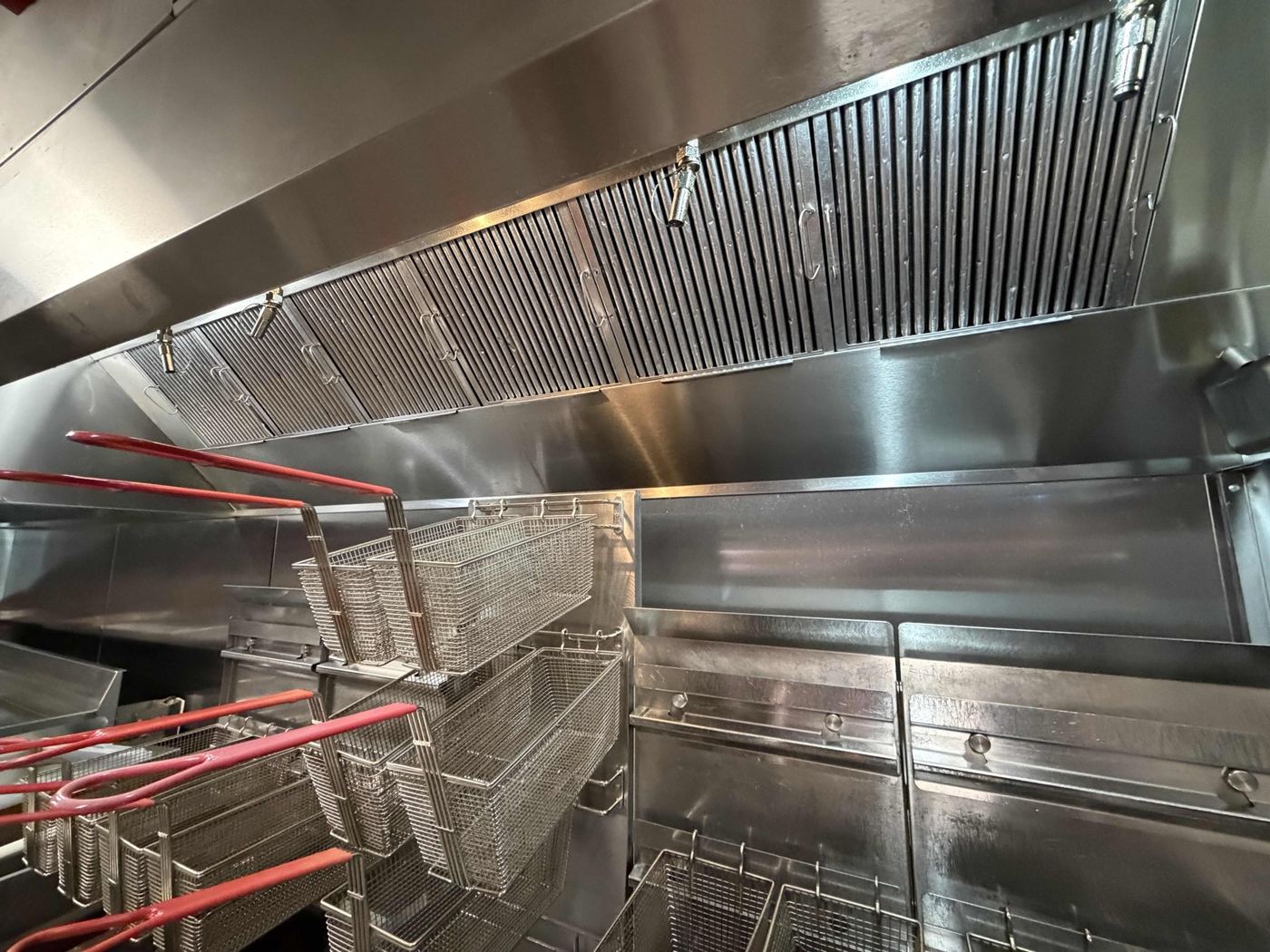
Texas health inspectors measure kitchen equipment against the 2017 FDA Food Code, which the state adopted through 25 TAC chapter 228. Commercial Kitchen Connect forwards an equipment request to suppliers close to the kitchen. The supplier sells and delivers the units. Whether your health department accepts them is its own call.
Source of the rule
The state's food establishment rules take in the FDA Food Code and its supplement, with a few listed exceptions. If Texas law and the Code disagree, Texas law prevails. Cities and counties that run their own health departments enforce the rules and may add ordinances, and DSHS publishes a registry of those.
Certified equipment
Under the Food Code, a unit that an ANSI-accredited program has certified or classified for sanitation is taken to meet the sections on materials and design. That is Code section 4-205.10. A unit with no such mark gets measured against those sections one piece at a time. Before ordering, ask the supplier if the item carries a certification.
Get prices for this job. Send one request and pick how many local companies quote it.
Get quotesCapacity
Equipment that cools, heats or holds food has to be large enough, and there has to be enough of it, to keep food at the required temperature. Ask your health department how it wants capacity shown on the plans.
The equipment schedule
Where plans are required, the schedule lists each unit's type, maker, model, location and capacity. A model that differs from the approved one no longer matches the plans, so notify the reviewer before any substitution. The pre-opening inspection may confirm that the kitchen was outfitted as approved.
Hoods and grease control
Two kinds of equipment answer to offices other than the health department.
- Hoods. Filters must be easy to remove for cleaning, and the hood and ducts must stop grease and condensation from reaching food and utensils. The city decides on permits, as the hoods page explains.
- Grease interceptors. Dallas asks for the manufacturer's cut sheet with the submittal, and size follows the city plumbing code. Houston and other cities set their own terms.
Connections
Gas, electric, mechanical and plumbing hookups are handled through the city permit office. The fire marshal reviews the suppression system above cooking equipment, along with where extinguishers are placed.
Buying used
Secondhand equipment is held to the same Food Code sections on materials and design. If it lacks a sanitation certification, the inspector reviews it piece by piece, so check with the health department before you buy.
What a supplier should be able to say
- Does the item carry an ANSI certification or sanitation classification?
- What are the maker, model and capacity, for the plan list?
- Does it need a hookup that calls for a city permit?
- Will it sit under a hood?
Which office to ask
Acceptance of equipment, plan review and food sources belong to the health department. Hookups belong to the permit office, and the suppression system belongs to the fire marshal. Commercial Kitchen Connect performs none of those roles and gives no approvals.
Questions
Which food code covers Texas kitchen equipment?
The 2017 FDA Food Code and its supplement apply, adopted in 25 TAC chapter 228 with a short list of exceptions.
Does restaurant equipment need a special certification in Texas?
A sanitation certification from an ANSI-accredited program counts as meeting the Code's materials and design sections. Equipment without one is reviewed item by item.
Do I list my equipment for the health department?
When the department requires plans, yes. The list gives each unit's type, maker, model, location and capacity.