Facts checked 2026-11-15.
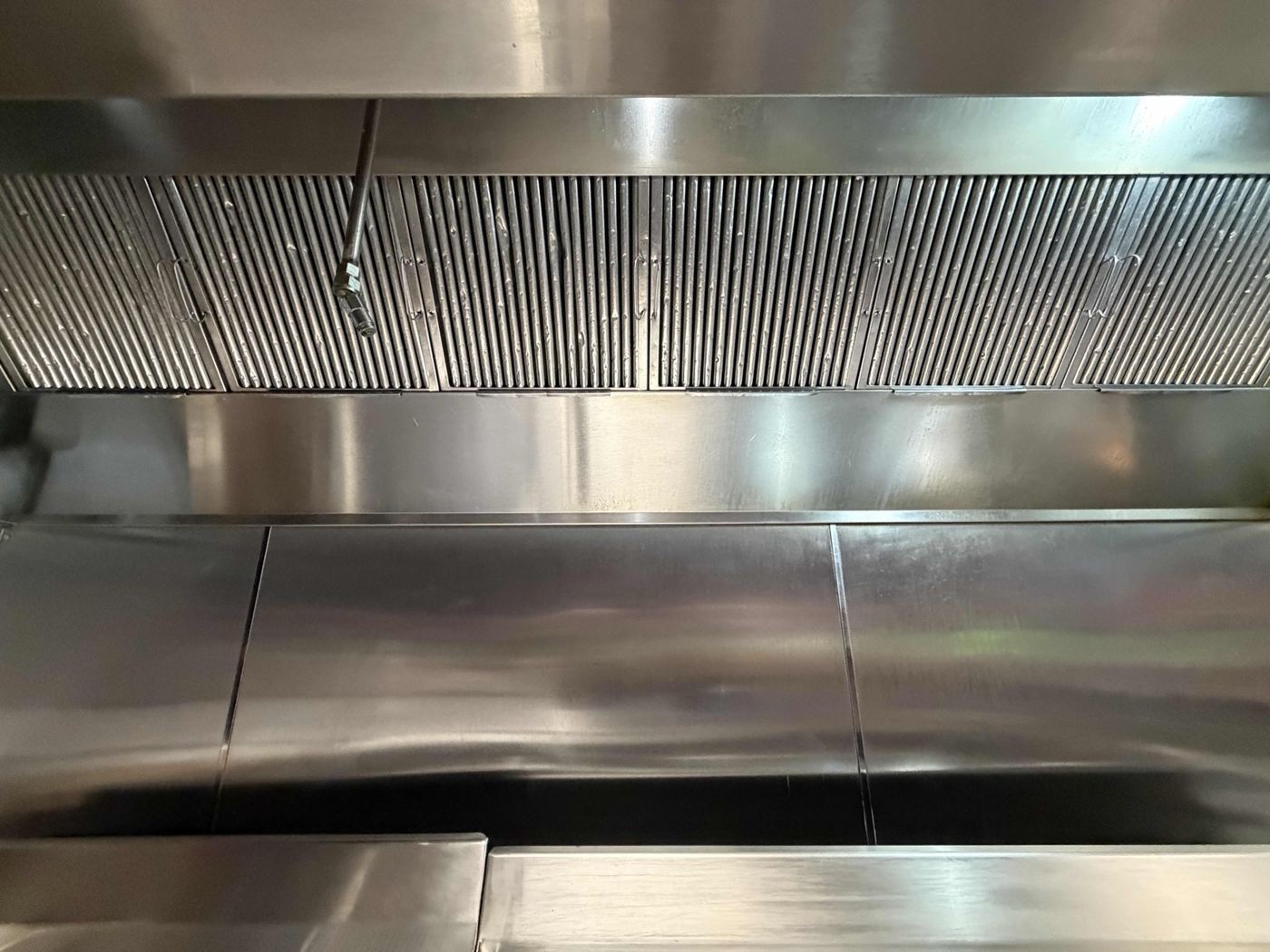
Texas issues no state license for kitchen exhaust cleaning. The Texas Department of Insurance publishes the fire trades it licenses, and exhaust cleaning is not among them. Commercial Kitchen Connect forwards a request to cleaning companies near your ZIP code. The company does the cleaning, and your city fire marshal decides who it will accept.
The fire marshal decides
NFPA 96 is the national standard for kitchen exhaust. It calls for inspections by someone trained, qualified and certified, and acceptable to the authority having jurisdiction. In a Texas city, the fire marshal's office plays that role.
Groups such as IKECA certify exhaust cleaners, yet the standard never names a credential that must be held. The local office makes that call, so ask it before you hire anyone.
Inspection intervals
NFPA 96 links the interval to the kind of cooking.
| Cooking | Inspection |
|---|---|
| Solid fuel | Monthly |
| High volume, such as charbroiling or wok cooking | Quarterly |
| Moderate volume | Twice a year |
| Low volume, such as a church or senior center kitchen | Yearly |
The table comes from California's 2025 mechanical code, which reprints the standard. Texas licensing rules adopt the 2021 edition of NFPA 96, and a city might use a different edition or add its own rules.
Get prices for this job. Send one request and pick how many local companies quote it.
Get quotesHouston and Gainesville
Houston's fire standard calls for cleaning hoods, ducts and fans as often as needed to keep heavy grease from building up. No fixed number of months appears, so the amount of grease sets the pace. The suppression system carries a duty of its own on a separate schedule.
Gainesville says a kitchen with a suppression system must have a third-party inspection and a hood cleaning every 6 months.
Signs a hood needs attention
- grease dripping from the hood or its edges
- a film on the filters that will not wipe off
- thick residue on the fan housing
- a stale smell from the hood after closing
A health inspector may cite a dripping hood even when the fire marshal has no complaint. The food rules want filters that slide out easily, and a hood that keeps grease off food and utensils.
Cleaning and suppression
The hood and the suppression system are frequently serviced on separate visits. A cleaner may or may not work around the system, so ask who handles it. A separate technician is covered on the suppression page.
What to ask a cleaner
- Does the fire marshal accept this company or its certification?
- Does it hold the insurance your landlord or insurer expects?
- Does the company give a written record of the areas cleaned and any it could not reach?
- Who works around the suppression system?
The fire marshal can tell you which record to keep for an inspection.
What to have ready
Have the address, the kind of cooking, the daily hours of operation and the date of the last cleaning at hand. Cleaners often ask for the date on your latest inspection tag.
Questions
Does a Texas hood cleaner need a license?
Not from the State Fire Marshal's Office, since its licensing leaves out exhaust cleaning. A city may still have a rule of its own.
How often should a restaurant hood be cleaned in Texas?
NFPA 96 sets inspections from monthly to yearly, depending on the cooking. Cleaning follows what the inspection shows, and a few cities, Gainesville among them, name 6 months.
Who decides whether a cleaner is acceptable?
The local fire marshal decides, as the authority having jurisdiction under NFPA 96.
Sources
- TDI, fire industry licensing
- 28 TAC 34.507, standards adopted for state licensing
- NFPA 96 inspection schedule as printed in the 2025 California Mechanical Code 514.3
- Houston Fire Department LSB Standard 02, section 2.9.1
- Gainesville fire safety inspection
- IKECA frequently asked questions
- FDA Food Code 2017, sections 4-202.18 and 4-204.11