Facts checked 2026-11-15.
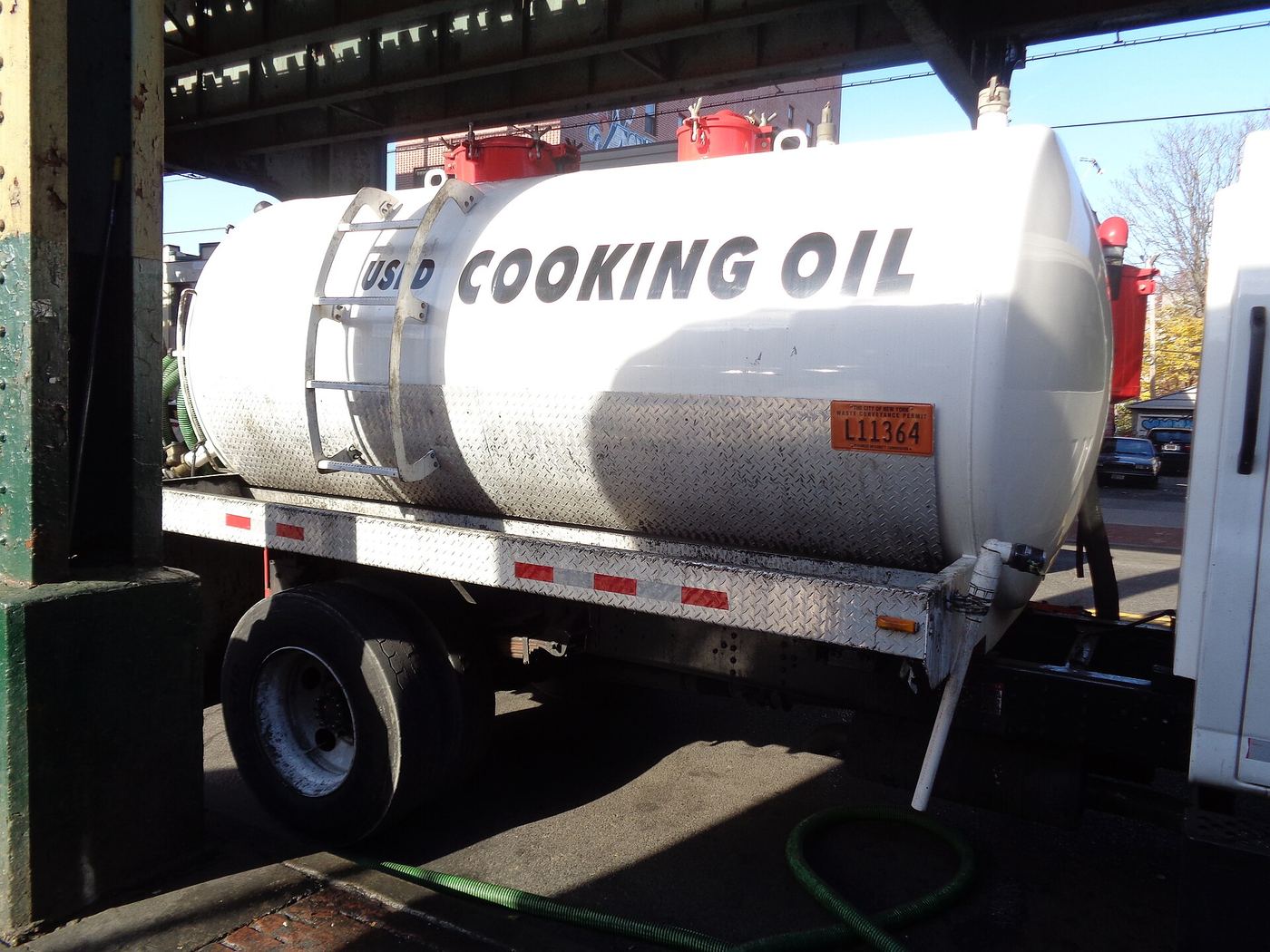

The oil drained from your fryers at the end of service is used cooking oil. Florida handles it apart from the grease in your trap. Your request on Commercial Kitchen Connect goes to collectors that serve your ZIP code, and the collector provides the bin and empties it.
Fryer oil versus trap grease
When the state's grease waste law defines a trap or interceptor, it leaves out containers made to collect used cooking oil. That means the hauler license and the manifest system for trap waste do not apply to a fryer oil bin. Pumping a trap is a separate job.
How a pickup works
The collector places a container at your site and returns on a set schedule. Put in writing how often it will come, who owns the container and who is responsible for spills.
Get prices for this job. Send one request and pick how many local companies quote it.
Get quotesPayment
Certain collectors pay for oil, while others haul it off without charge. A 2013 guidance document from the state environmental agency says restaurant fats and oils are usually either purchased from the restaurant or taken for recycling at no cost. No source for current rates turned up, so get terms in writing before signing.
Placing the bin
The research found no statewide rule on how a restaurant stores used oil. The fire marshal, the landlord and the utility might each have a say on placement, containment and cleanup. For a new kitchen, the dumpster and storage area also show up on your DBPR plan.
Theft
Used oil can be resold, and bins are sometimes pumped dry overnight. A May 2024 news report told of two men charged after roughly 150 gallons disappeared from two St. Petersburg restaurants. Florida has no law written only for this, so police apply the general theft statutes.
If the collector offers a locked bin, it makes theft harder. Tell the police about any loss.
Licenses and registrations
No state license aimed at cooking oil collectors was found. The state environmental agency registers used oil transporters and processors each year, but it could not be confirmed that the program reaches cooking oil. Ask each collector which registrations it holds.
Read the agreement first
Look at how the contract ends. One that renews by itself can be hard to leave, so ask how to cancel and who takes away the bin afterward. Ask what happens when a pickup is skipped.
Before a company calls
Estimate how much oil you use and what kind of fryers you run. Say where the bin would go and how a truck gets to it.
Questions
Does used cooking oil count as grease trap waste?
No, Florida treats them separately. The grease waste law leaves oil containers out of its definition of a trap.
Do collectors pay restaurants for used cooking oil?
Some pay and some collect for free. Current rates are not available here, so get the terms in writing.
What should I do if used cooking oil is stolen?
Contact the police and hold on to your pickup records. Florida has no oil-specific law, so officers use its general theft rules.