Facts checked 2026-11-15.
Opening or remodeling a restaurant in Florida means getting a yes from two levels of government. The state food regulator reviews the kitchen plan and issues the license. City or county offices cover the building permit, the fire review and the grease rules. A request sent through Commercial Kitchen Connect reaches general contractors that serve your ZIP code.
What a build-out covers
The goal is to turn a bare shell or a former tenant's space into a kitchen that can pass inspection. The work includes walls, floors, plumbing and electrical, plus the hood and fire systems, all built to the drawings the permit office approved. A few contractors also help put the permit package together.
When state plan review applies
For most food service projects, the state's plan review is the first step. DBPR wants it when a space is new, changes its use, is remodeled or has been closed 18 months or longer. Swapping the menu for one that needs other equipment counts as well.
The package is short. It holds an application, a scaled floor plan with each piece of equipment labeled, and a sample menu. DBPR reviews online applications within 30 days, and an approved plan stays good for 18 months.
Get prices for this job. Send one request and pick how many local companies quote it.
Get quotesThe usual order of approvals
Zoning goes first, since it confirms the space can be a restaurant. The DBPR plan and the building permit follow. The fire marshal looks at the hood suppression, the extinguishers and the exits. Last, the utility reviews the grease trap and the seating count.
Some building work can begin before every review is done. Florida law lets a building department allow early work at the permit holder's own risk, so ask that office what it permits.
What only a new kitchen has to settle
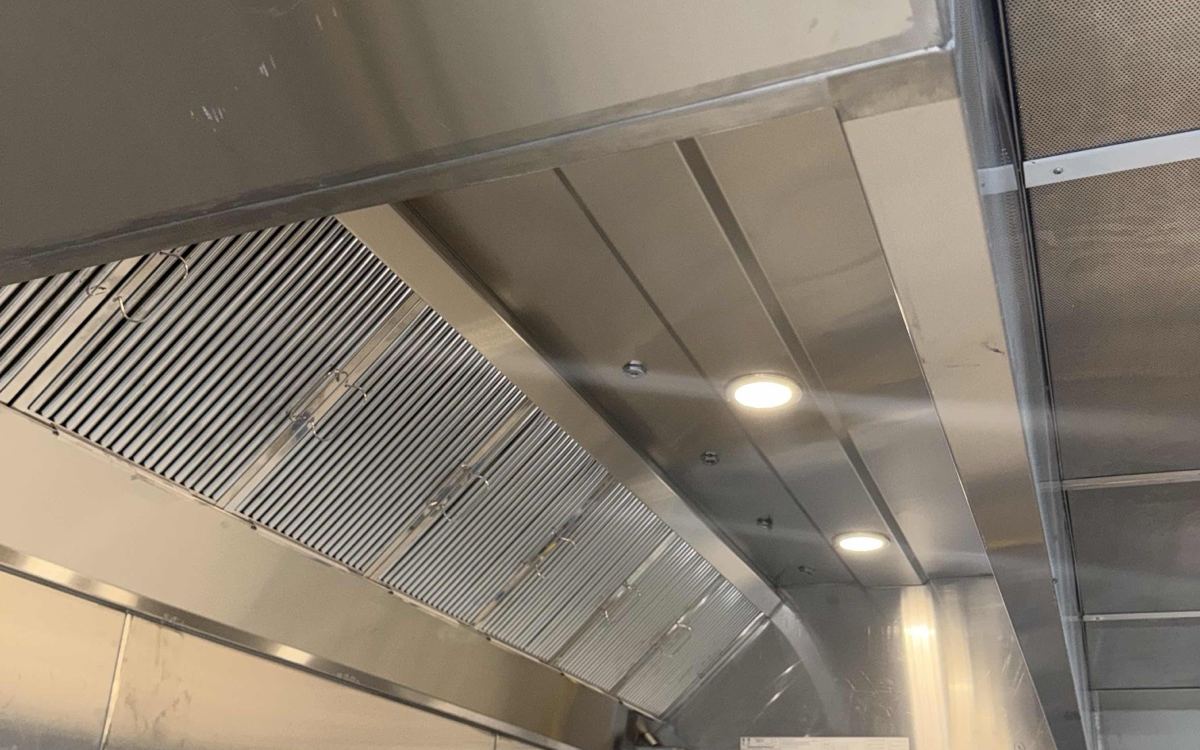
Before final approval, the hood system gets a performance test. It measures exhaust airflow and makeup airflow and checks whether smoke and steam are drawn into the hood. Book it early, because a failed test delays the final inspection.
Finishing construction does not mean you can open. The DBPR licensing inspection and the temporary license come first. The inspector will want to see the building, electrical, fire and plumbing approvals kept at the site.
Questions for the contractor
Find out who pulls the permits and who orders the drawings for the hood, duct and suppression system. Ask which tasks the contractor handles and which go to licensed subcontractors. Contracting without the right license is a crime in Florida, so get license numbers and look each one up.
Before a company calls
Gather the lease or street address, a floor plan or even a sketch, and your equipment list. Decide on a target opening date. Note whether the building sits on a septic system, because that needs health approval first.
Questions
Is DBPR plan review required for a restaurant remodel?
Yes, a remodel goes through DBPR plan review, and so does a menu change that needs different equipment. A licensed space left unchanged does not.
Can construction begin before plans are approved?
DBPR says approval must come before construction or remodeling starts. Your building department might allow limited early work at your own risk, so check with both offices.
Who signs off on fire suppression in a new kitchen?
The local fire marshal approves the system, and a company licensed by the State Fire Marshal has to install it. Ask that office what it needs to see before final approval.