Facts checked 2026-11-15.
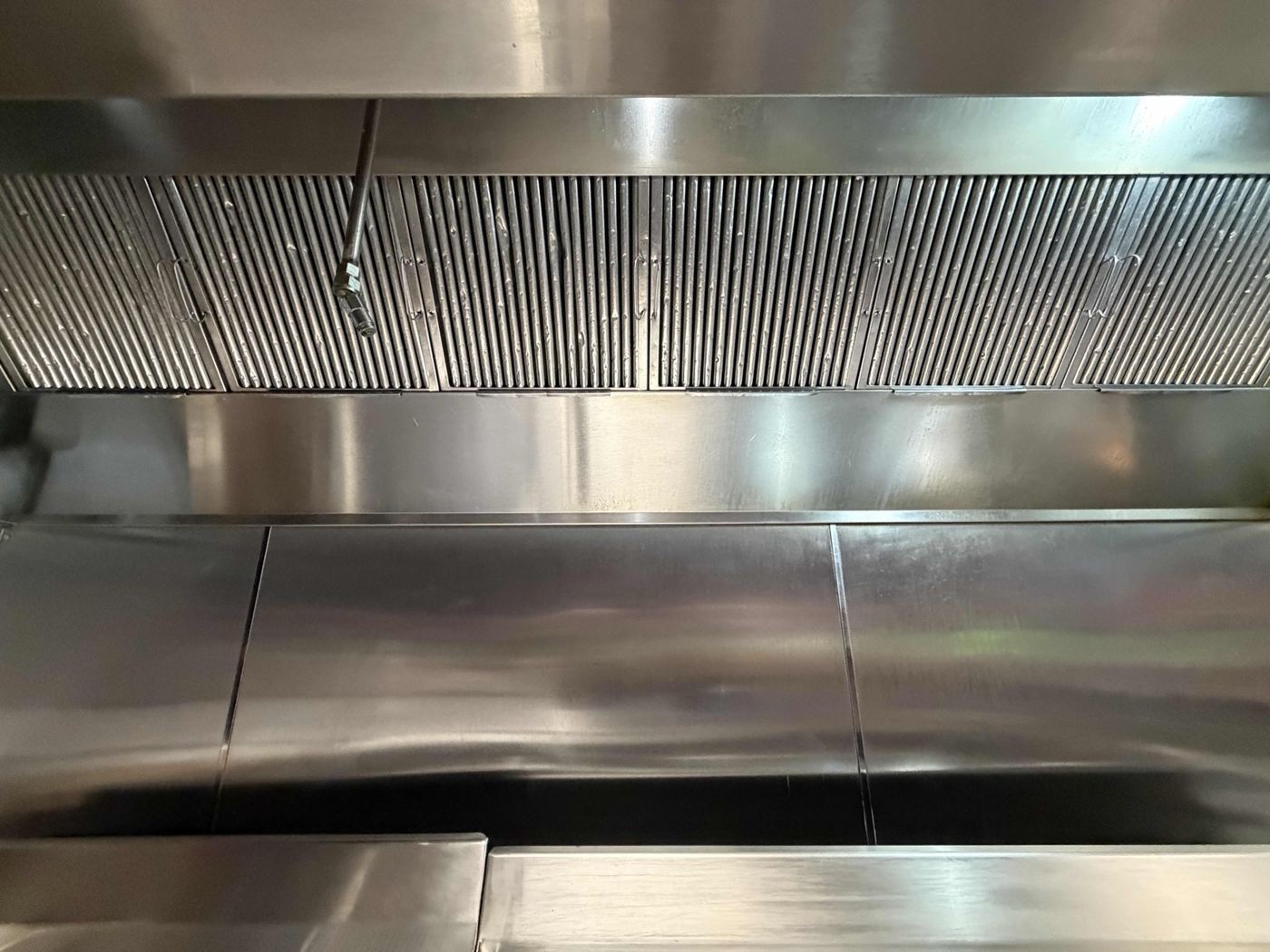
Grease collects in the hood, the duct and the roof fan. The Florida fire code adopts NFPA 96, which sets how often the exhaust system is inspected and requires grease deposits to be removed. Send a request through Commercial Kitchen Connect and it reaches hood cleaning companies that serve your ZIP code.
Scope of a cleaning
NFPA 96 treats the exhaust system as a single unit. A complete job covers the hood, the filters, the plenum, the duct to the roof and the fan, including parts that are hard to get to. Filters are pulled for washing or replacement, and the suppression system is left intact.
Signs of buildup
Grease dripping near the fan base or on the roof is one sign. A thick film on the filters or a tacky coating inside the hood is another. A strong burnt smell, smoke that lingers in the kitchen, or a hood that looks cloudy and moves air slowly also suggest buildup.
Get prices for this job. Send one request and pick how many local companies quote it.
Get quotesInspection timing
NFPA 96 links the inspection schedule to the type of cooking. The table below comes from a printed copy of the standard in the California Mechanical Code, so check the Florida edition with your fire marshal.
| Type of cooking | Inspect for grease buildup |
|---|---|
| Wood or charcoal | Monthly |
| High volume, such as charbroiling or wok cooking | Quarterly |
| Moderate volume | Twice a year |
| Low volume, such as a church kitchen | Yearly |
If an inspection turns up grease, the system needs cleaning. The fire marshal decides which row fits your kitchen.
Who may clean
The research behind this page found no state license for hood cleaning. Florida's amendment calls for a trained, qualified and certified person to clean a contaminated system, and the fire marshal must accept that person. Some fire districts publish a list of accepted credentials, so ask your office before hiring.
Records to expect
Expect a service label near the access panels showing the company name and the date. You should also receive a certificate naming whoever did the work, plus a written report listing anything the crew could not reach. A section marked unreachable still holds grease.
Questions before you hire
Start with your fire marshal's office and ask which credentials it accepts. Then ask the company for certificate numbers and a sample report. Confirm that the roof fan and the full duct are part of the job, and ask what the crew expects to leave undone.
Before a company calls
Count your hoods, note what you cook and recall when the last cleaning happened. Keep the way to the roof clear and the access panels unblocked.
Questions
How often does a Florida restaurant need its hood and duct cleaned?
Cleaning follows inspection: monthly for solid fuel, quarterly for high-volume cooking, twice a year for moderate volume and yearly for low volume. Any grease found must be removed.
Is there a Florida license for hood cleaners?
The research for this page did not turn up a state hood cleaning license. The local fire marshal decides whom to accept, so ask that office before signing anything.
What records should a hood cleaning leave behind?
Look for a label by the access panels and a certificate naming the company, the worker and the date. A report should list any areas that were not cleaned.
Sources
- NFPA 1 Florida amendments, 8th Edition Florida Fire Prevention Code (State Fire Marshal PDF)
- Rule 69A-3.012, adopted NFPA editions
- NFPA 96 inspection schedule as reprinted in California Mechanical Code 514.3
- West Manatee Fire Rescue, hood system maintenance letter
- Minnesota Department of Health, protection of kitchen cooking equipment