Facts checked 2026-11-15.
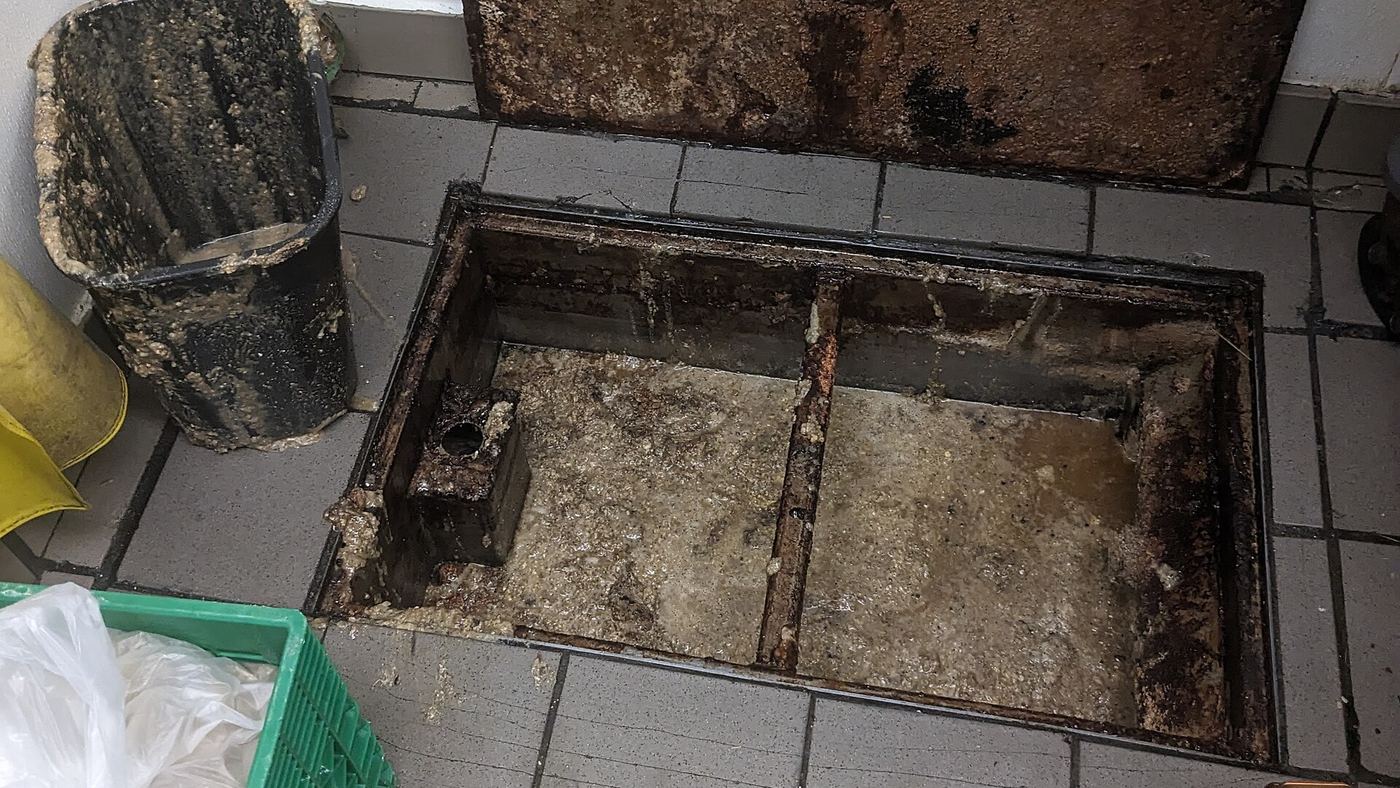

In Florida, pumping and hauling a restaurant's grease trap is work for a licensed grease hauler, with a narrow exception for small operators who clean their own. The state decides the paperwork, while your sewer utility decides how often. A request on Commercial Kitchen Connect goes to grease haulers or plumbers that serve your ZIP code.
Kinds of requests
Pump-outs make up most of them. The rest ask for a new trap or interceptor in a kitchen that is being built or changed. State which one you need on the form.
Manifests and records
State law names the restaurant as the originator of the waste. That puts you in charge of arranging regular cleaning and of getting a service manifest from the hauler. You and the hauler sign it if the work happens during open hours, and the disposal facility signs as well. The hauler has 30 days to send a copy to the county and the city.
Both you and the hauler keep a signed copy at the site for twelve months. An inspector can ask for your hauler contract and your cleaning record.
Get prices for this job. Send one request and pick how many local companies quote it.
Get quotesPumping frequency
The state sets no interval. Your local utility or county does, and it differs widely. Tampa asks for weekly trap cleaning inside the city. Pinellas County asks for interceptor pumping at least every 30 days, and Seminole County asks for every three months. Ask the utility that serves your address.
Penalties
A fine depends on the violation. The statute gives separate penalties for a missing manifest, an uncleaned trap and unlawful disposal, and the last is the heaviest. A hauler must not return grease waste or graywater to your trap.
Signs of an overdue trap
Slow drains, a sour smell near a sink or floor drain, or grease floating at the top of the outdoor unit all call for attention. Tampa's rules add another sign, a trap more than a quarter full of grease and solids.
Plumbing code basics
Fixtures that send greasy water down the drain need an interceptor or an automatic grease removal device. The code lists pot sinks, prerinse sinks, wok stations and dishwashers that lack a prerinse sink. A food waste disposer cannot drain into the interceptor.
Who can haul
A hauler needs a license from the state environmental agency, FDEP. A self-cleaner may only handle a trap of 55 gallons or less and has to haul its own waste. FDEP's program page names a contact for grease waste questions.
Before a company calls
Know the size and location of the trap, the date it was last pumped and your utility's schedule if you have one. Keep the latest manifest at hand.
Questions
Which businesses may pump a restaurant grease trap in Florida?
Licensed grease haulers may, and so may a self-cleaner whose trap holds 55 gallons or less.
How long must grease trap service records be kept in Florida?
Keep a signed copy of every service manifest on site for one year. The hauler holds a copy for the same length of time.
What decides how often a restaurant trap is pumped?
Florida sets no statewide interval, so the local utility decides. Pinellas County and Seminole County publish their own schedules, and other places differ.